
The Shoshone
The Shoshone, Paiute, Bannock and Ute people are related, and call themselves Newe or Neme (the People). Prior to contact with Europeans, the Newe groups formed small extended-family groupings that traveled extensively as semi-nomadic hunter-gatherers to survive in the harsh environment of the Great Basin desert.
Horses, guns, white contact, and disease destroyed this social organization, resulting in more formal identities and band loyalties. Pre-contact identities did exist to some extent according to the influence of horse ownership and resource use. What became the Northwestern Band of Shoshone band was part of those groups who had traveled largely on foot in a delicate balance of living off the land. The expression So-so-goi means “those who travel on foot.” The old ones called the Shoshone by that name. When horses became available, the So-so-goi joined the mounted hunting groups in annual harvests.
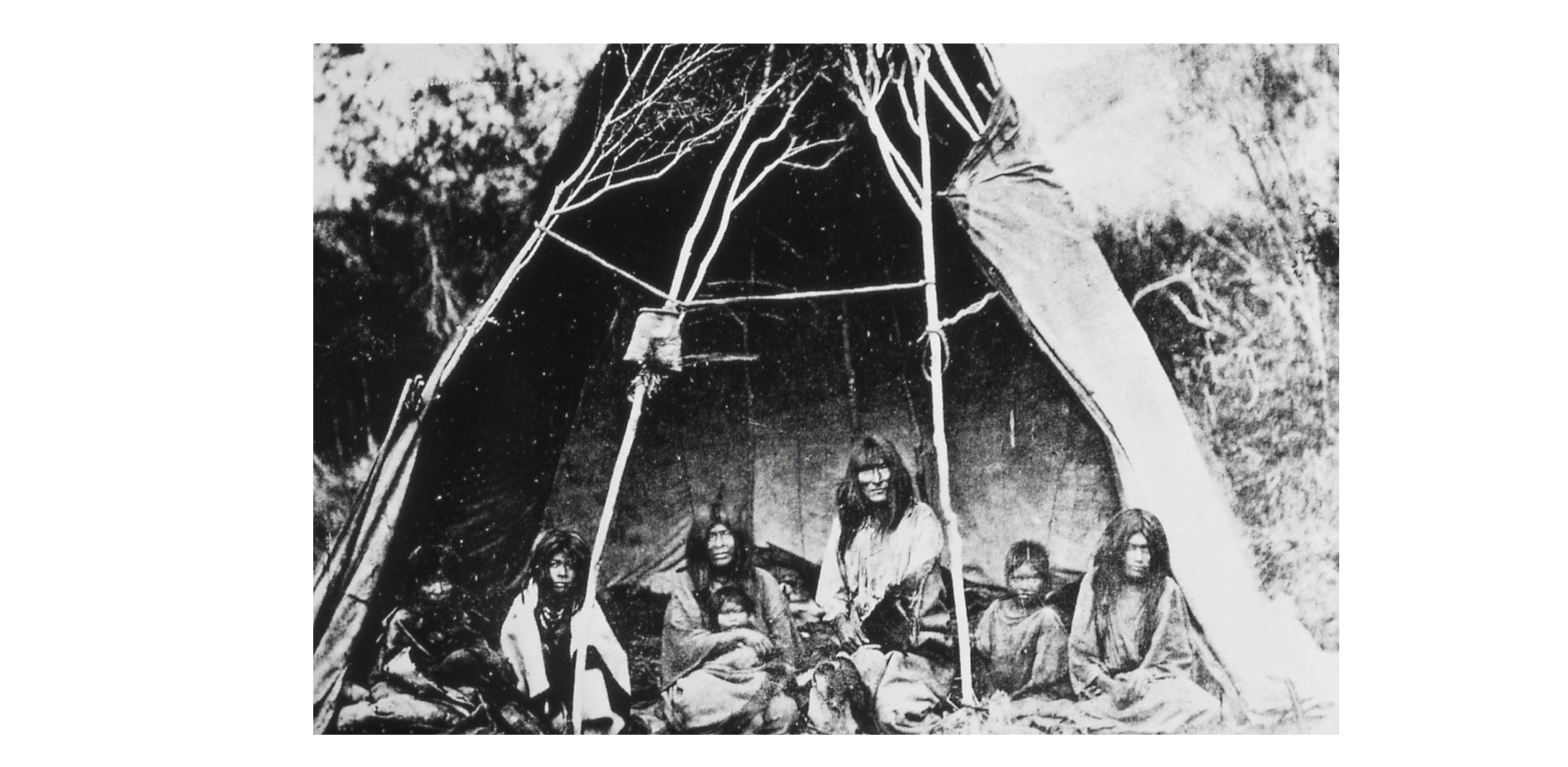
So-so-goi means “those who travel on foot.”
The Northwestern Shoshone traveled with the changing season. They looked upon the earth not just as a place to live; in fact, they called the earth their mother-she was the provider of all they needed for their livelihood. The mountains, streams, and plains stood forever, they said, and the seasons walked around annually. The So-so-goi believed all things came from Mother Earth.
In the early autumn, the Northwestern Shoshone moved into the region near what is now Salmon, Idaho to fish. They caught salmon and dried them for winter to use. After fishing was over, they moved into western Wyoming to hunt for buffalo, elk, deer, moose, and antelope. It was very important to get the big game, for it meant feast or famine. It also meant clothing and shelter for them.
In the spring and summer, the Northwestern band traveled around southern Idaho and throughout Utah. During these months, they spent their time gathering seeds, roots, and berries and socializing with each other. This was the time when women talked about the latest happenings of the tribe. Late summer was root-digging time and smaller-game hunting time. Around late October, the band moved into western Utah and parts of Nevada for the annual gathering of pine nuts. The nutrient-rich nuts were an important part of the Shoshone diet. They could be ground up into meal for mush (cereal) or roasted and eaten as a dessert or snack.

The area around what is now called Franklin and Preston, Idaho, was a permanent wintering home of the Northwestern Shoshone. It was known as Moson Kahni, which means Home of the Lungs. The rocks in the area looked sponge-like and made the Shoshone think of lungs. In this area and the rest of Cache Valley were natural places for the Indians to make their homes. The land along the Bear River was in a natural depression with lots of willows and brush, which they could use. Hot springs were plentiful as were fish and wild game. Willows and brush served as wind and snow breaks during the winter months.
Mae Parry

The Northwestern Shoshone
What became the Northwestern Band of Shoshone were parts of those groups who traveled largely on foot living off the land in a delicate balance. The expression So-so-goi means “Those Who Travel on Foot,” this expression was used to describe the band.
The Northwestern Shoshone traveled with the changing season. They looked upon the earth not just as a place to live; in fact, they called the earth their mother-she was the provider of all they needed for their livelihood. The mountains, streams, and plains stood forever, they said, and the seasons walked around annually. The So-so-goi believed all things came from Mother Earth.
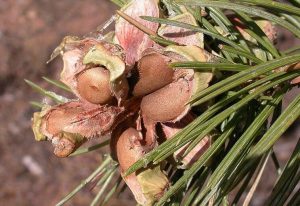
In the early autumn, the Northwestern Shoshone moved into the region near what is now Salmon, Idaho to fish. They caught salmon and dried them for winter to use. After fishing was over, they moved into western Wyoming to hunt for buffalo, elk, deer, moose, and antelope. It was very important to get the big game, for it meant feast or famine, clothing and shelter. The meat was sun dried for winter use.
In the spring and summer, the Northwestern band traveled around southern Idaho and throughout Utah. During these months, they spent their time gathering seeds, roots, and berries and socializing with each other. Late summer was root digging and small-game hunting time. Gathering seeds was a hard task at times. When seeds were scarce, a woman might spend an entire day gathering enough for only one family meal. Digging Sticks were used for digging out roots and bulbs. Ground potatoes, camas, sego lily, wild garlic, cactus, and other bulbs and roots were harvested. Berries of all kinds were picked in the mountains and fields. Wild honey was gathered in the late fall. Around late October, the band moved into western Utah and parts of Nevada for the annual gathering of pine nuts. The nutrient-rich nuts were an important part of the Shoshone diet. The pine nuts collected could be ground up into meal for mush (cereal), gravy, soups or roasted and eaten as a dessert or snack.
The wintering home of the Northwestern Shoshone was in an area around what is now called Franklin and Preston, Idaho. The rocks in the area looked sponge-like and made the Shoshone think of lungs hence, it was known as Moson Kahni, which means “Home of the Lungs.” The Cache Valley and surrounding areas were natural places for the Northwestern Shoshone to make their homes. The land along the Bear River was in a natural depression with lots of willows and brush, which they could use. Hot springs were plentiful as were fish and wild game. Willows and brush served as wind and snow breaks during the winter months.
The Shoshone also utilized other foods throughout the year as needed. A variety of birds, such as ducks and geese, are common along the northeast shore of the Great Salt Lake, and were used for meat and eggs. Particularly important were doves, sage hens, and quail. In times of extreme need, owls, hawks, and crows were also eaten. In addition, the Shoshone harvested several varieties of insects, including grasshoppers, crickets, insect larvae, and bee eggs.
Drinks were prepared from a variety of plants. Common drinks were peppermint tea, rose tea, and Mormon (or Brigham) tea. Rabbit brush, sagebrush, and milkweed had parts that could be chewed as gum.
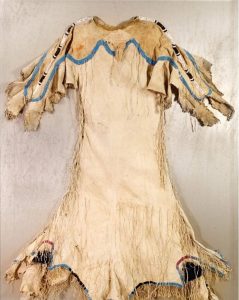
Tanned animal skins were the primary clothing material. Men and women worked to produce clothing all year round. The skins from elk, deer, and antelope made the best dresses or suits. Dresses and suits were decorated with shells and animal claws and teeth. Bones and porcupine quills were also used as adornment. Sinew from animals’ intestine was used as thread. Moccasins were made from deer, elk, and moose hides. Rawhide was the preferred material for the soles because it was much longer wearing and better able to protect the feet when walking through rocks and rough places. Sometimes moccasins were lined with juniper bark for insulation. When clothing made from skins got wet it had to be removed and vigorously rubbed and stretched until it dried to a soft condition. It was best to actively wear wet moccasins until they became dry to maintain their softness.
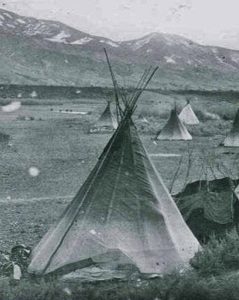
Shelter for the Northern Shoshone was provided by the use of tepees, greenhouses, and sometimes caves. The tepee cover typically was made from ten to twelve buffalo hides. The cover was stretched over from twenty to twenty-five poles erected in a cone shape. There was a smoke hole left at the top which had flaps designed to regulate the hole according to wind direction. The tepees were well-ventilated and cool in the summer and, with a fire, were warm in the winter. On the floor of the tepees were backrests and bedrolls. Clothing, medicine bags, shields, bags and other articles hung from poles. Tepees were decorated with drawings of animals, birds, or abstract designs. Great dreams or acts of bravery could be recalled in drawings on the tepee. Since the people were nomadic, the tepee was a very practical dwelling because it was easy to transport.
In the summer, dwellings were often made from green leafy branches placed over a pole framework. Willows, quaking aspen branches, reeds and tall grass were used in making summer shelters. These dwellings were also temporary, and could be left behind as moves were made to other areas. Caves were used as shelters and temporary dwellings. Bathhouses or sweat lodges were erected to be used as places for spiritual experiences as well as for personal hygiene.
Rabbit skins braided like rugs were made into quilts. Buffalo robes and other animal hides served as blankets and in some cases floor coverings. Dried moss was also woven into blankets. Woven sagebrush and juniper bark as well as boughs and cattail fluff served as mats and mattresses.
In early times marriages were arranged for nearly all Shoshones; spiritual leaders would conduct marriage ceremonies in those days. The spiritual leader gave the couple rules to live by, among which they were counseled to be chaste and avoid breaking up their marriage. Sometimes the spiritual leader would pull hair from both the bride and groom and tie it together. The bound hair was then taken by a relative to hide. If later the couple could not get along and wanted a ‘divorce’ they would first have to find the bound hair and untie it.
Northwestern Shoshone children like all children, loved to play. Their toys were made of materials available to them such as sticks, rocks, clay, and balls made of stuffed rawhide. A skill they liked to develop was tracking. Playtime for the children was only done during short periods between fulfilling their family obligations. The children were expected to work hard and to share the family burdens. Love of children was a dominant belief of the Northwestern Shoshone and physical punishment was not highly employed. Shoshone children were taught at a young age to be hospitable. They were taught that guests were assumed to be cold, tired, or hungry, and they were to be fed. Upon departure, a guest was to be given a gift, with nothing in return. Children were taught to honor and respect their parents, grandparents, and were advised that wisdom and knowledge come with age. Teaching and storytelling fell mainly to the elderly grandparents. The oral history, legends, and customs of the tribe were passed on this way. Wintertime was storytelling time, stories were told to children with a purpose more important than just recreation. Children were taught to be good listeners and never interrupt the storyteller. Most stories included animals the Shoshone people lived around and interacted with, in fact all things in nature had a voice & story, rocks mountains, trees etc. Children were expected to stay awake during the storytelling, if a one of the children fell asleep, the storyteller stopped speaking and ended the session.